What we write about
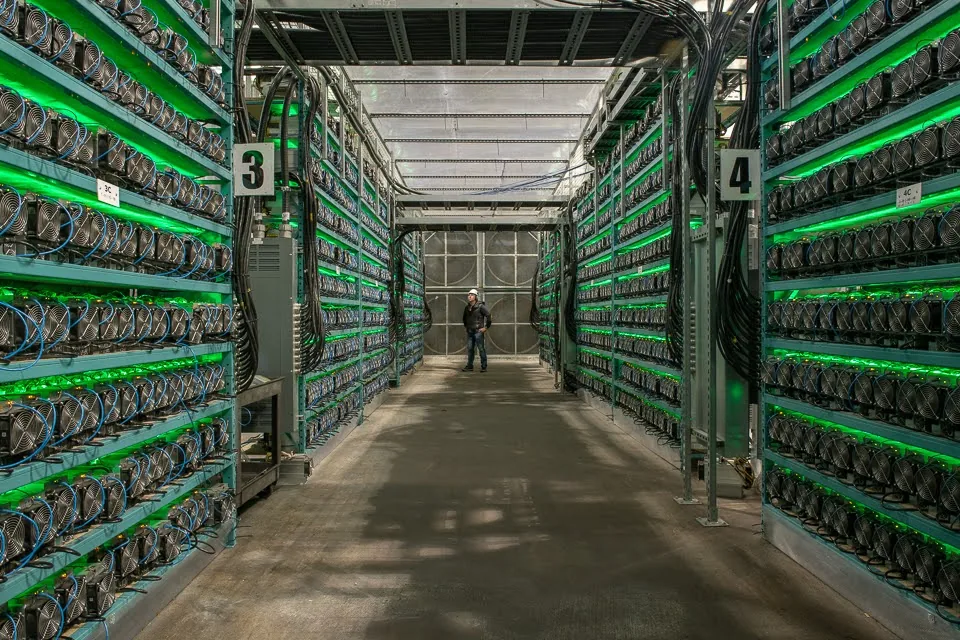
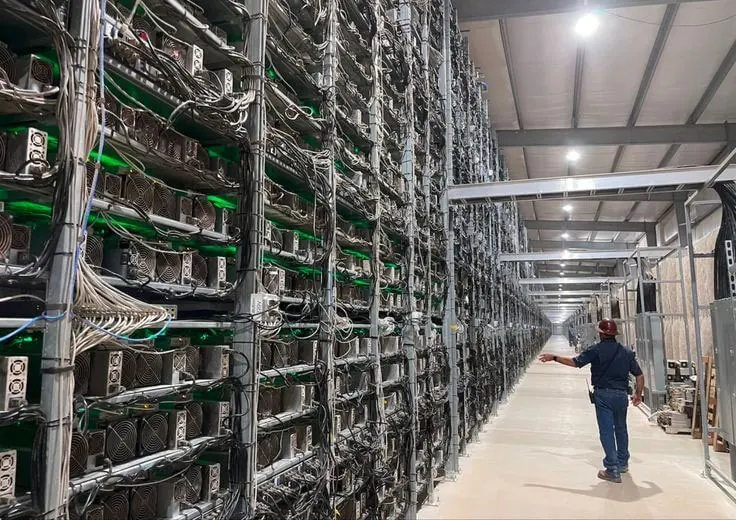
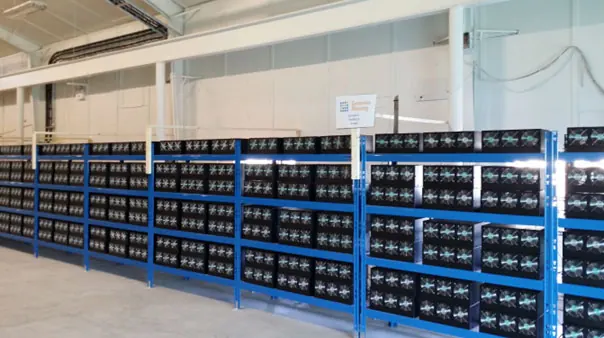
Our news and insights cover the questions miners ask us most: what professional hosting costs and why, how data center colocation works in Quebec, how to maximise the return on ASIC hardware, and why Canada has become one of the world’s leading destinations for Bitcoin mining. Each article links back to the practical details on our hosting plans and supported miners pages.
Key terms for new miners
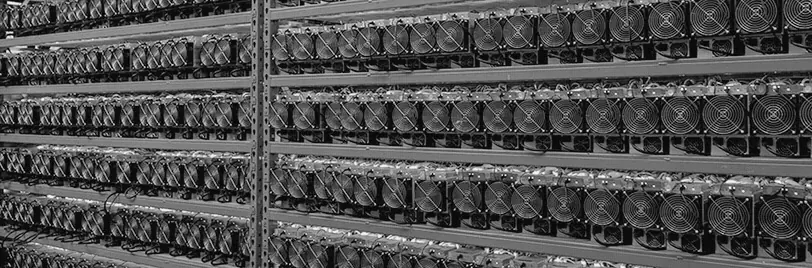
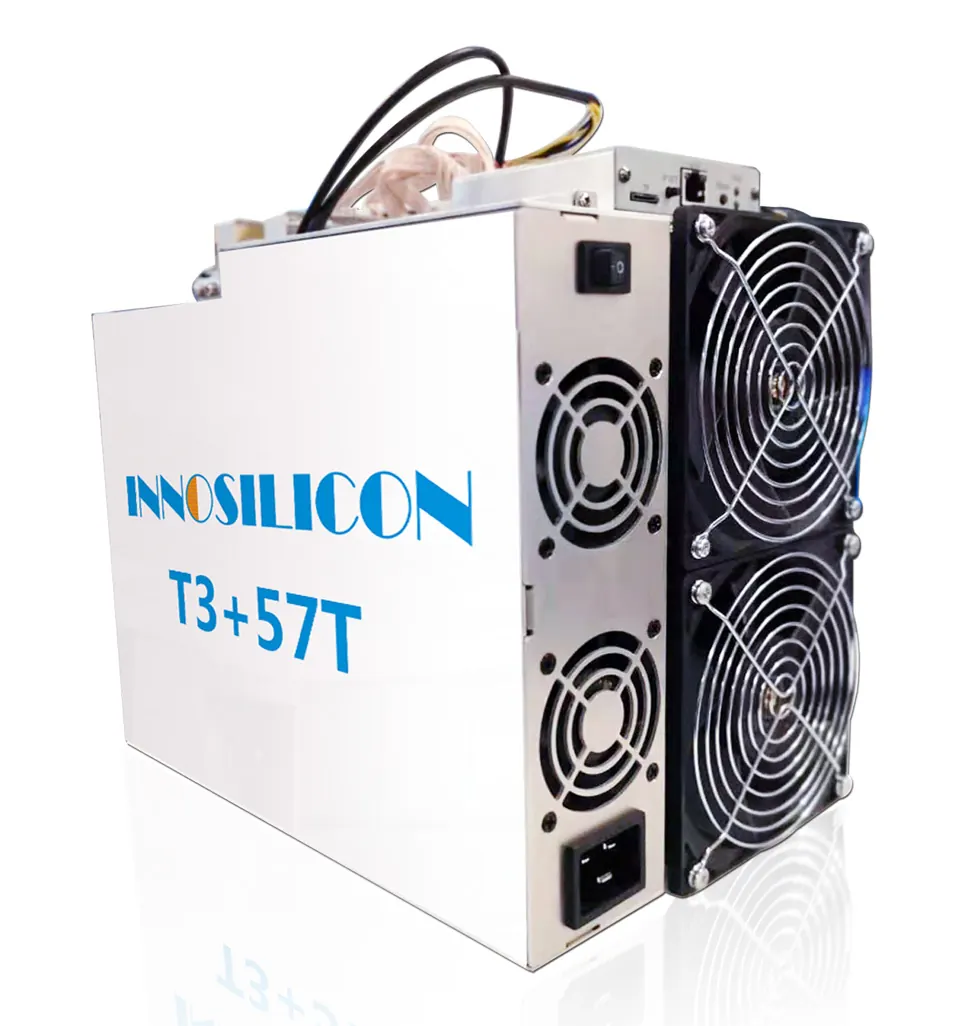
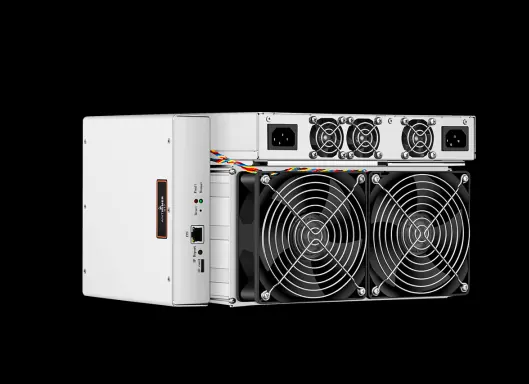
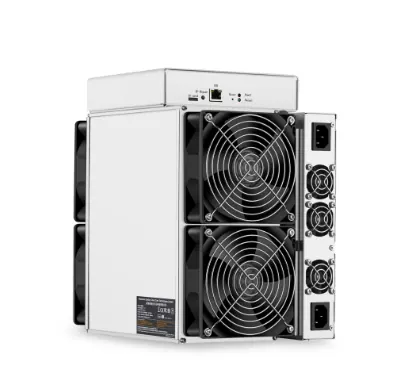
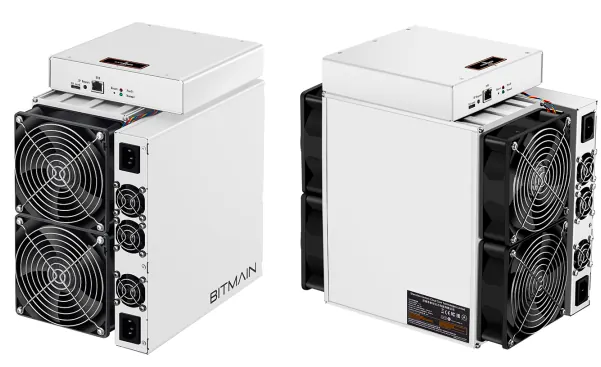
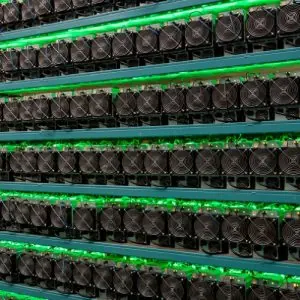
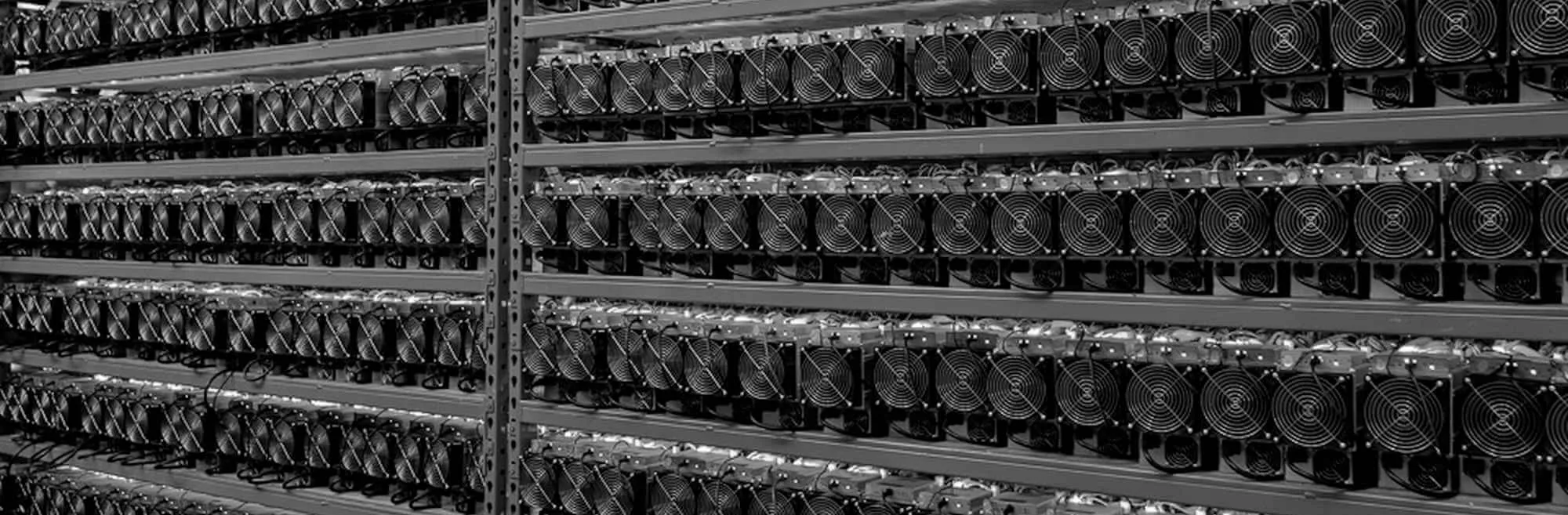
ASIC: an application-specific integrated circuit. Bitcoin ASICs, such as the Bitmain Antminer and MicroBT WhatsMiner ranges, are built to do one job, SHA-256 hashing, far more efficiently than general-purpose computers.
Hashrate: the amount of hashing work a miner performs, measured in terahashes per second (TH/s). Our supported miners range from 186 to 305 TH/s.
Efficiency (J/TH): the energy a miner uses per terahash. Lower is better, because hosting cost is driven by power.
Network difficulty: a measure of how hard it is to find a block. It adjusts about every two weeks so that blocks keep arriving roughly every ten minutes, whatever the total network hashrate.
Hashprice: the expected revenue per unit of hashrate per day. It rises and falls with Bitcoin’s price, transaction fees and network difficulty.
Halving: about every four years the reward for each new block is cut in half. The April 2024 halving reduced it to 3.125 BTC.
Mining pool: a service that combines hashrate from many miners and shares rewards in proportion to the work each contributes. You choose your own pool; we are not associated with any particular one.
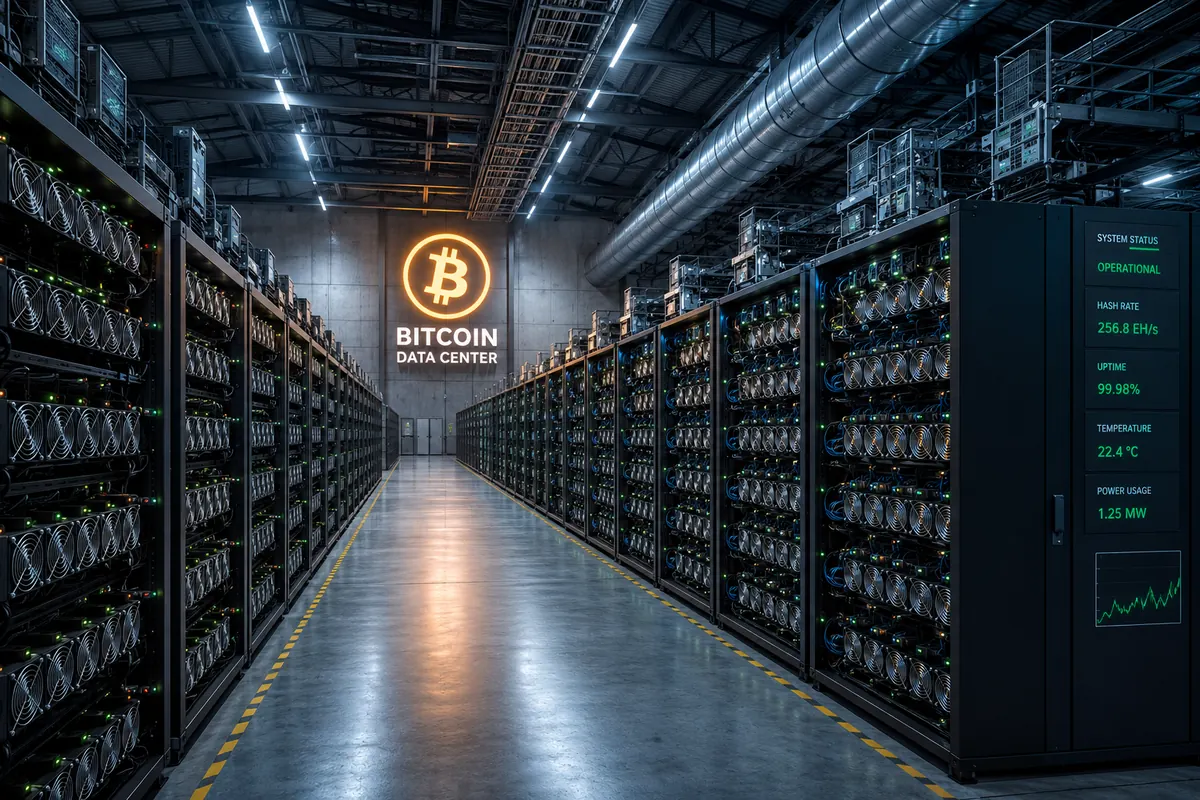
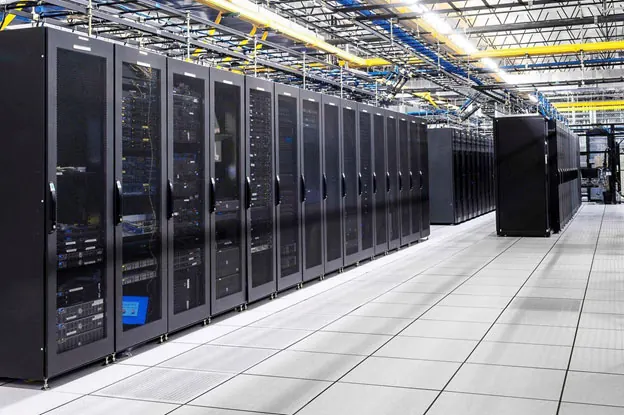
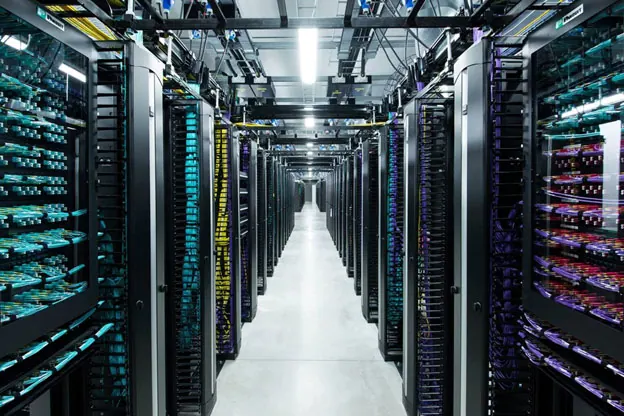
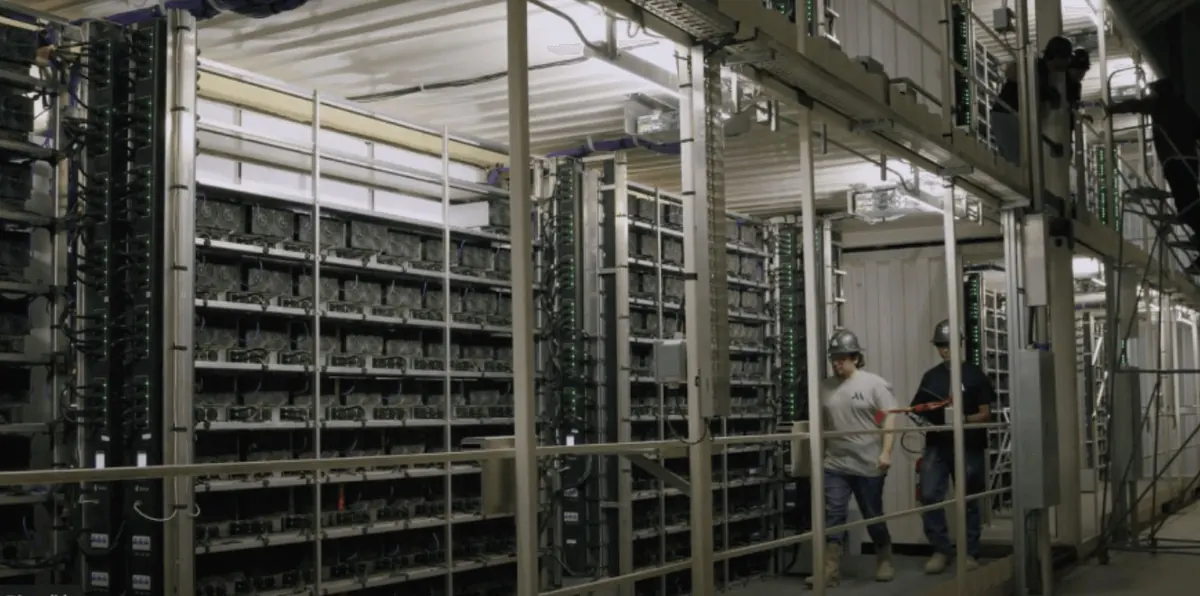
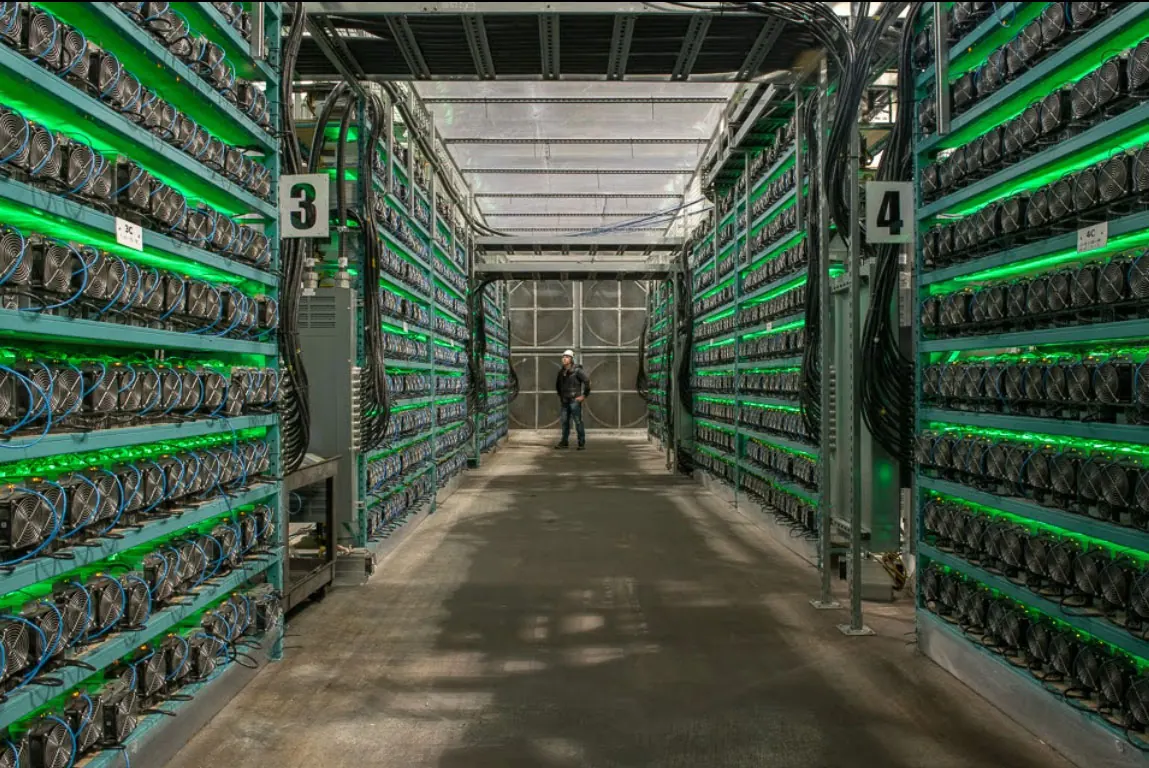
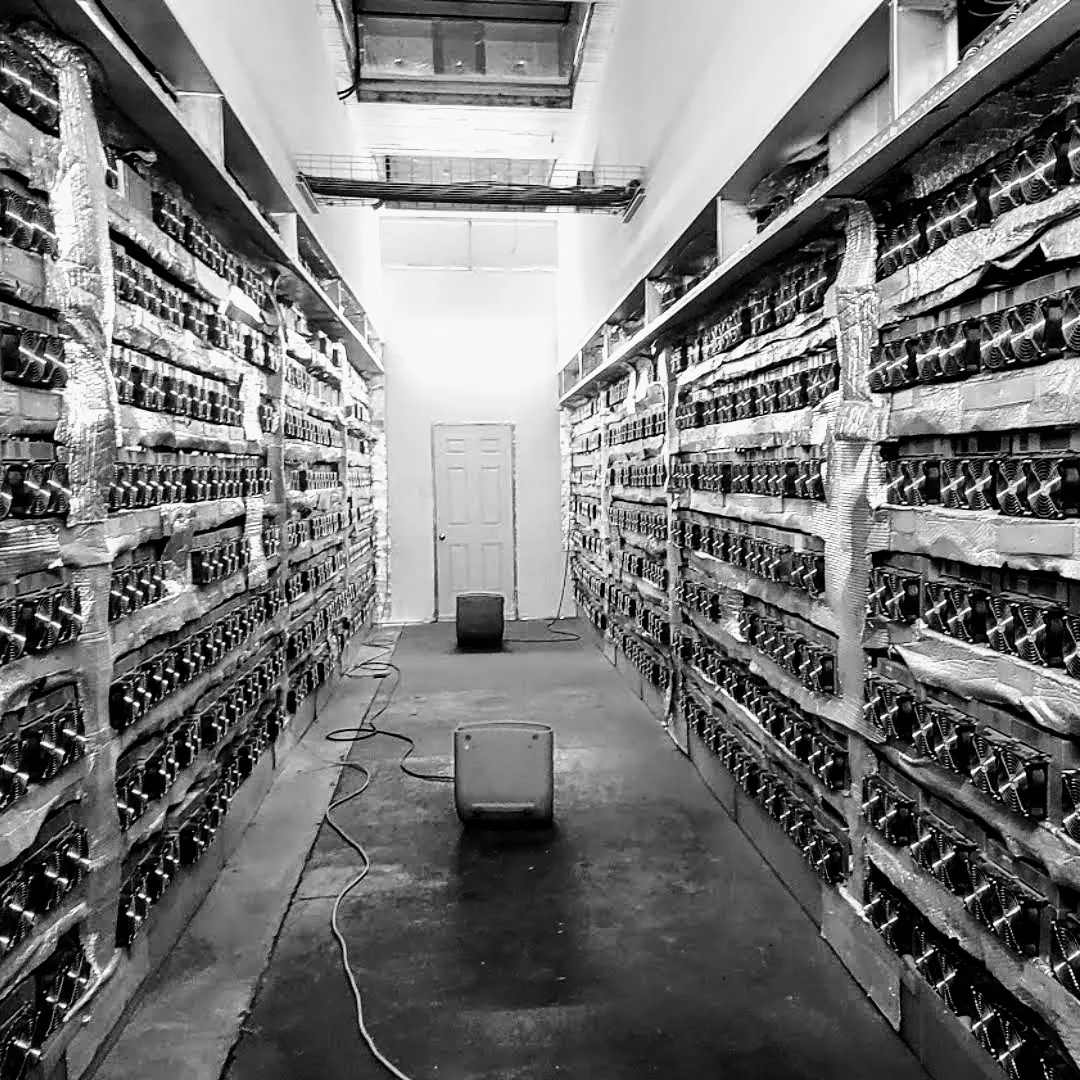
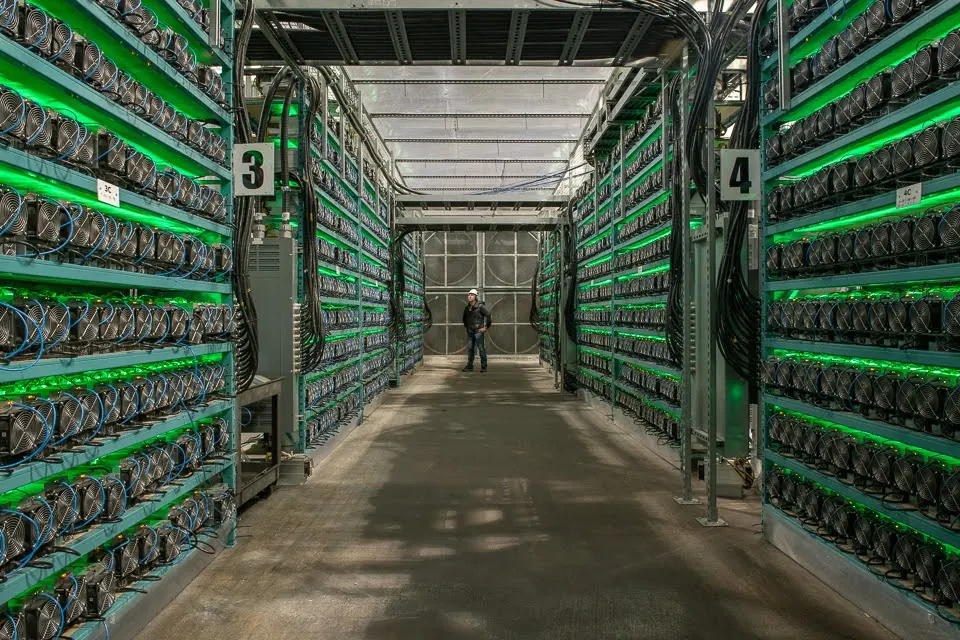
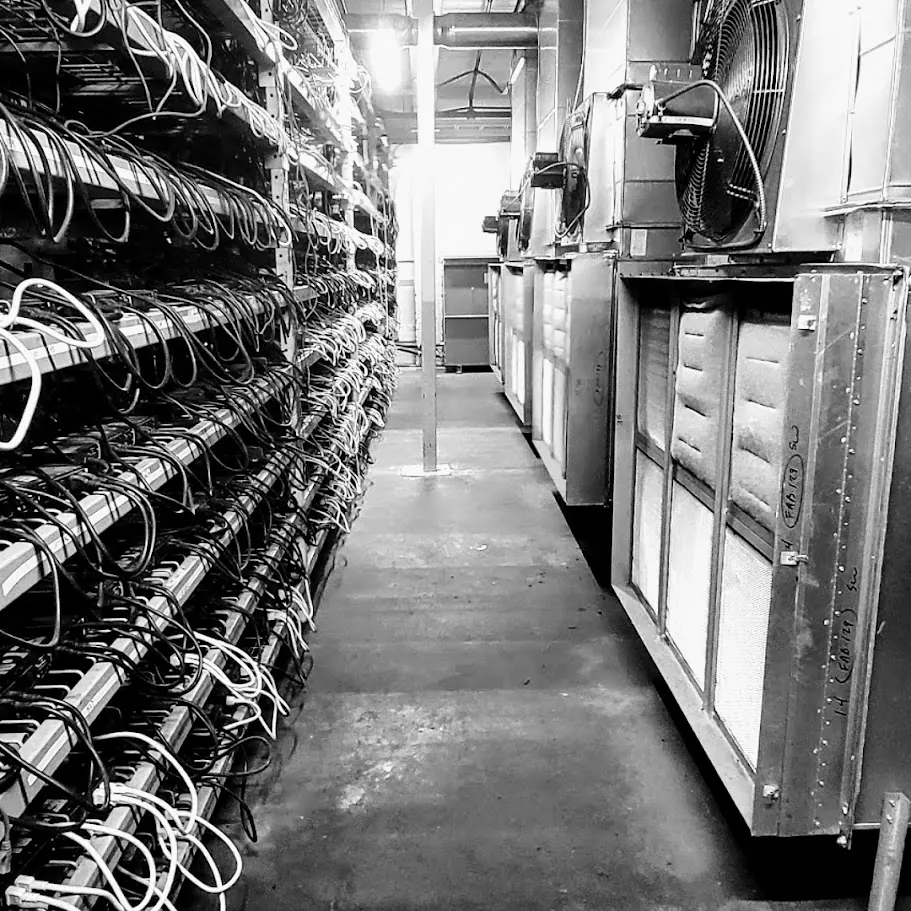
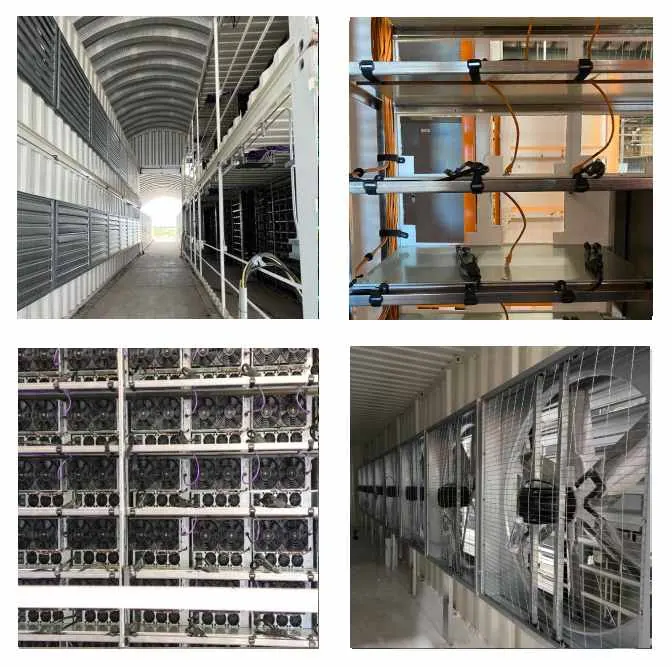
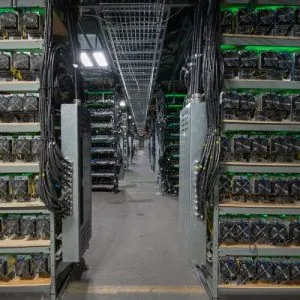
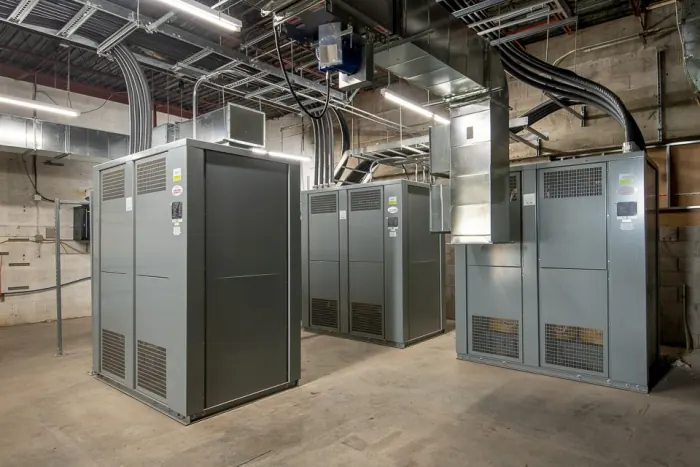
Colocation: placing hardware you own in a professional facility that provides power, cooling, connectivity and security.
How to estimate the cost of hosting a miner
Hosting is billed on electricity, so the math is straightforward. Take the miner’s power draw in watts, divide by 1,000 to get kilowatts, and multiply by 24 hours to get daily energy use. Multiply that by your hosting rate to get the daily cost. An Antminer S21 drawing 3,500 W uses 84 kWh per day; at $0.075 USD per kWh (miner quantity and availability based) that is $6.30 per day, or about $189 over a 30-day month. Add the one-time racking fee of $35 USD per miner when you plan your first month.
Subtract the electricity cost from the miner’s expected revenue (its hashrate multiplied by today’s hashprice) and you have an estimate of profit. Our profit calculator does this for every model we host, across our full $0.072 to $0.089 USDT per kWh range.
Three numbers to check before buying a miner
First, efficiency in J/TH: it decides how much of each dollar of revenue goes to electricity. Second, the break-even power rate: the hosting rate at which revenue only just covers power, which shows how much room a miner has if hashprice falls. Third, cooling type: our facility uses filtered air cooling and hosts air-cooled miners.
Why mining in Canada keeps growing
Canada combines three things miners value: affordable power, much of it hydroelectric; a cold climate that reduces cooling costs; and a stable business environment. Quebec in particular pairs low-carbon hydro power with long winters, which is why we moved our operations there in 2016.
Where to start if you are new to mining
Start with the numbers rather than the hardware. Pick two or three current-generation miners, compare their efficiency and estimated profit on our supported miners page, and run them through the calculator at a few different hashprices to see how sensitive each one is. Then decide whether you want to bring your own miner + hosting or buy and host in one equipment + hosting package. A first order can be as small as 5 miners.
Have a question we haven’t covered?
If you are weighing up hosting, comparing miners or planning a facility, our team is happy to help. Read our FAQ or contact us directly.