Why air cooling, in this climate
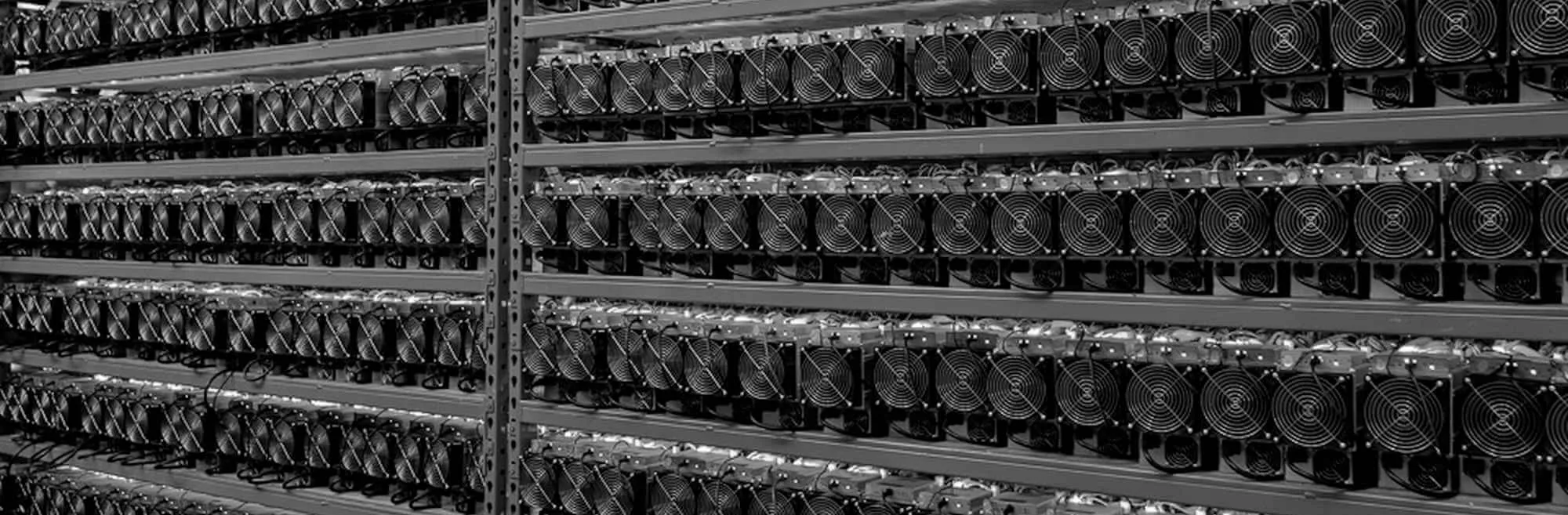
An ASIC miner is a heater that happens to compute. A machine drawing 3.5 kW puts 3.5 kW of heat into the room, continuously. Cooling is not a comfort question — it is the constraint that decides how many machines a building can hold and how long their boards last.
Quebec is one of the few places where the simplest answer is also the best one. For most of the year the outside air is already colder than the air the machines need, so cooling is mostly a matter of moving enough of it. That is cheap, mechanically simple, and there is very little to go wrong at three in the morning.
The trade-off is honest: air cooling cannot push hardware as hard as immersion, and it cannot recover waste heat as neatly. In exchange you get a facility with no coolant to leak, no pumps to fail, no tanks to drain, and machines that come back to you in standard condition if you ever sell them.
What filtration actually does for your hardware
Dust is what kills air-cooled miners. It settles on heatsinks, insulates them, and the board runs hotter until chips start degrading. Nothing dramatic happens on any single day, which is exactly why it gets ignored.
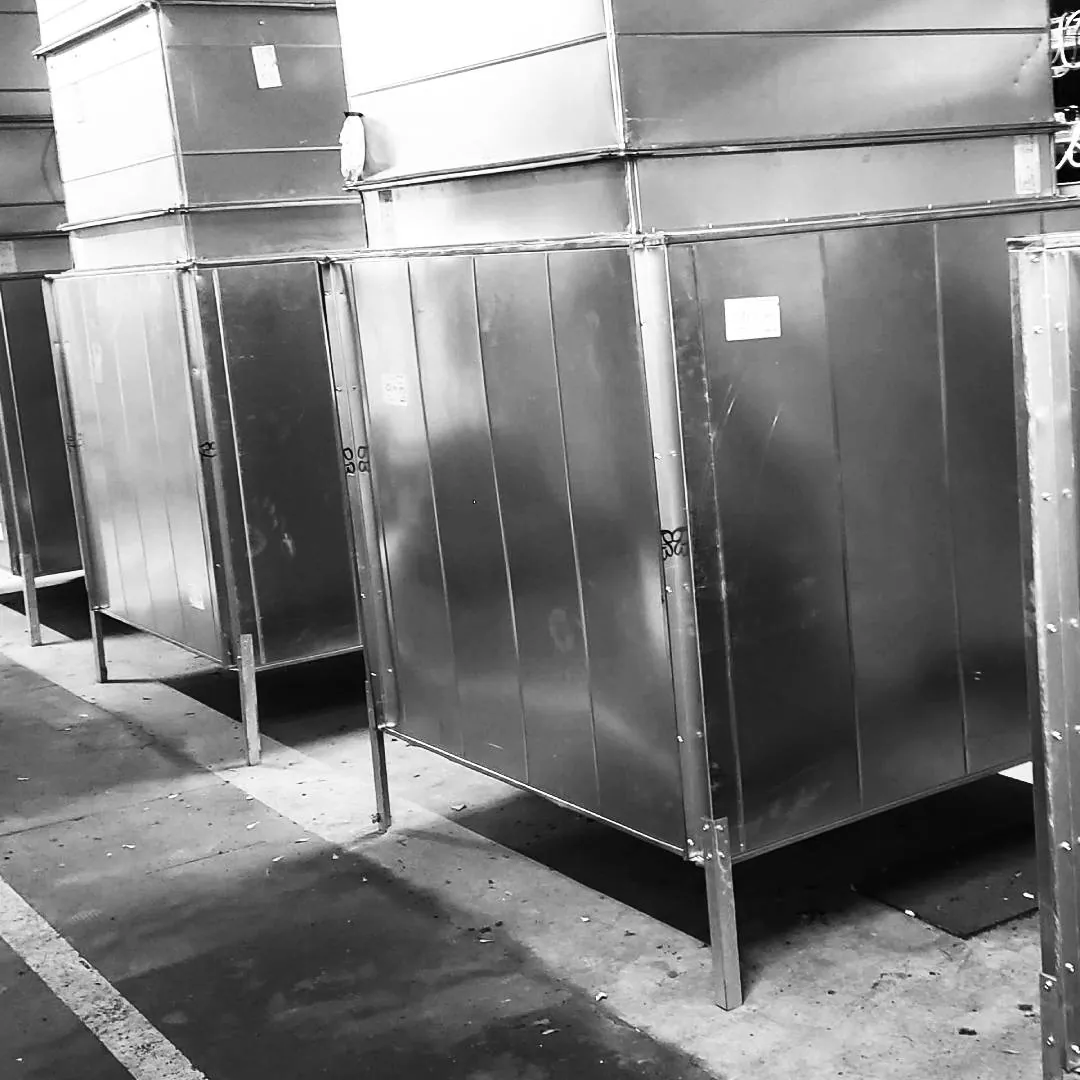
Our answer is 156 Summer/Winter Air Filtration on the intake side. The seasonal split matters: summer air carries pollen and construction dust, winter air carries road salt and fine particulates. Filtering for one is not filtering for the other.
Clean intake air is also why our on-site repair work is mostly fans and power supplies rather than hashboards. Fans are consumables. Hashboards are not, and they are what you lose when cooling is an afterthought.
Which miners qualify
If your machine is a standard air-cooled ASIC from Bitmain or MicroBT, it qualifies. These are the models we host and the figures we quote against:
Air-cooled models we host
| Antminer S23 | 305 TH/s · 3,355 W · 11.0 J/TH |
|---|---|
| Antminer S21 XP | 270 TH/s · 3,645 W · 13.5 J/TH |
| Antminer S21 Pro | 234 TH/s · 3,510 W · 15.0 J/TH |
| Antminer S21+ (235 TH/s) | 235 TH/s · 3,525 W · 15.0 J/TH |
| Antminer S21+ (225 TH/s) | 225 TH/s · 3,375 W · 15.0 J/TH |
| Antminer S21+ (216 TH/s) | 216 TH/s · 3,564 W · 16.5 J/TH |
| Antminer S21 | 200 TH/s · 3,500 W · 17.5 J/TH |
| WhatsMiner M60S | 186 TH/s · 3,441 W · 18.5 J/TH |
| Antminer T21 | 190 TH/s · 3,610 W · 19.0 J/TH |
Hydro-cooled variants of the same machines — the Antminer S21 Hyd and similar — fall outside what we host, as does immersion hardware. If you are not certain which version you own, the model number on the chassis or the pool reading will tell you, and we will check it with you before you ship. Full specifications and estimated earnings are on supported miners.
Older hardware is assessed case by case. The honest test is the break-even electricity price: if a machine cannot clear our rate band, hosting it does neither of us any good.
Air cooling versus hydro and immersion, fairly
Cooling approaches compared
| Filtered air (what we run) | Simple, no coolant, standard hardware, hardware stays resaleable. Limited by outside air temperature. Noisy inside the building. |
|---|---|
| Hydro cooling | Higher density and overclocking headroom. Needs plumbing, coolant, pumps and dry coolers, and locks you into hydro-specific machines. |
| Immersion | Highest density, quietest, best heat recovery. Dielectric fluid is expensive, maintenance is messy, and machines are hard to resell once immersed. |
All three work. The question is which one a given facility runs well, and the worst outcome is a site that half-commits to two. We run air, in a climate built for it, and we say no to the machines that need something else.