Why miners choose the Montreal region
Quebec has the combination that mining needs and most places cannot assemble: abundant hydroelectric generation, industrial power pricing, a grid with spare winter capacity, and a climate where outside air is colder than the machines need for most of the year.
Montreal adds the practical layer. An international airport with direct flights from most of North America and Europe, fibre connectivity, customs infrastructure for incoming hardware, and a drive time short enough that an owner can inspect a facility and fly home the same day.
That last point matters more than it sounds. Hosting asks you to put hardware in someone else's building. Being able to stand in it first changes the decision, which is why we take appointments and why we tell you the drive is 35 minutes rather than being vague about the location.
What hosting near Montreal costs
Our rate is $0.072–$0.089 USDT/kWh, all-inclusive. For a Antminer S23 drawing 3,355 W that works out at roughly $174–$215 per machine per month, covering power, rack space, filtered air cooling, network, security and monitoring.
Montreal-area hosting at a glance
| Facility | Quebec, 35 minutes from Montreal (YUL) |
|---|---|
| Second site | Huntingdon area, Quebec |
| Head office | 180 Brodie Drive, Unit 5, Richmond Hill, ON L4B 3K8, Canada |
| Operational since | May 2018 |
| Capacity | 530 miner spots |
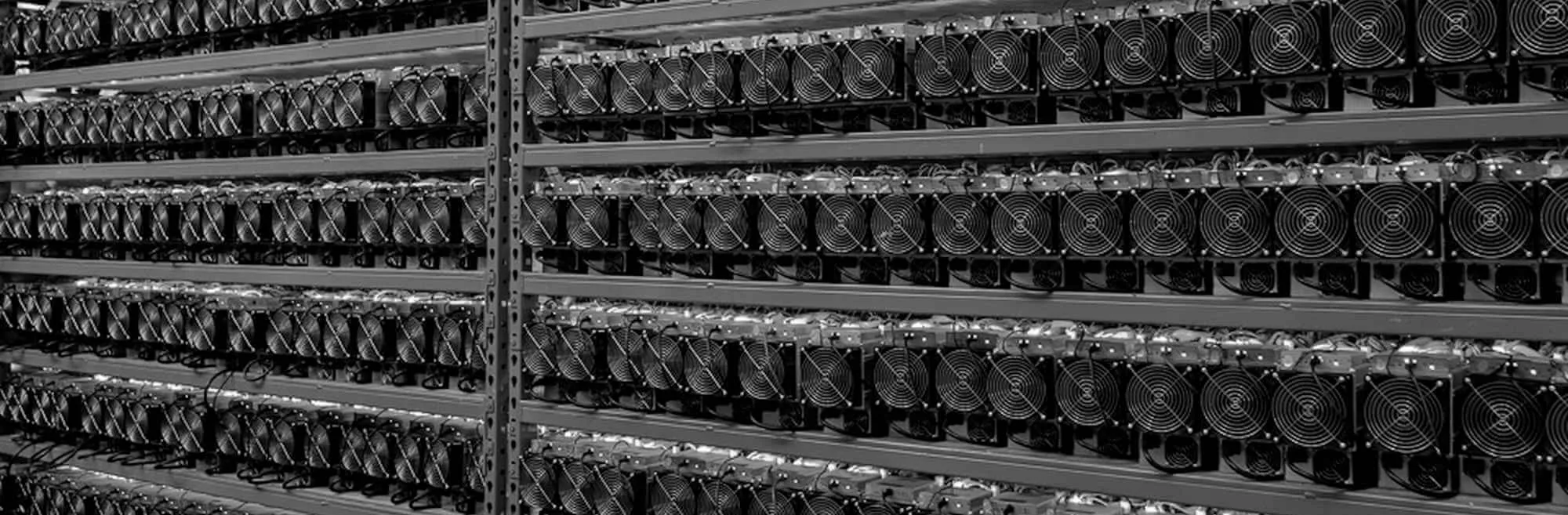
| Cooling | Filtered air, 156 Summer/Winter Air Filtration |
| Rate | $0.072–$0.089 USDT/kWh, all-inclusive |
| Minimum order | 5 miners |
| Site visits | By appointment — walk-ins refused |
The cost per kWh page breaks down exactly what the rate covers, and the profitability calculator will run your own fleet against it.
What to look at when you visit
A site visit is worth doing properly. Fly in, and in half a day you can answer the questions that a website cannot.
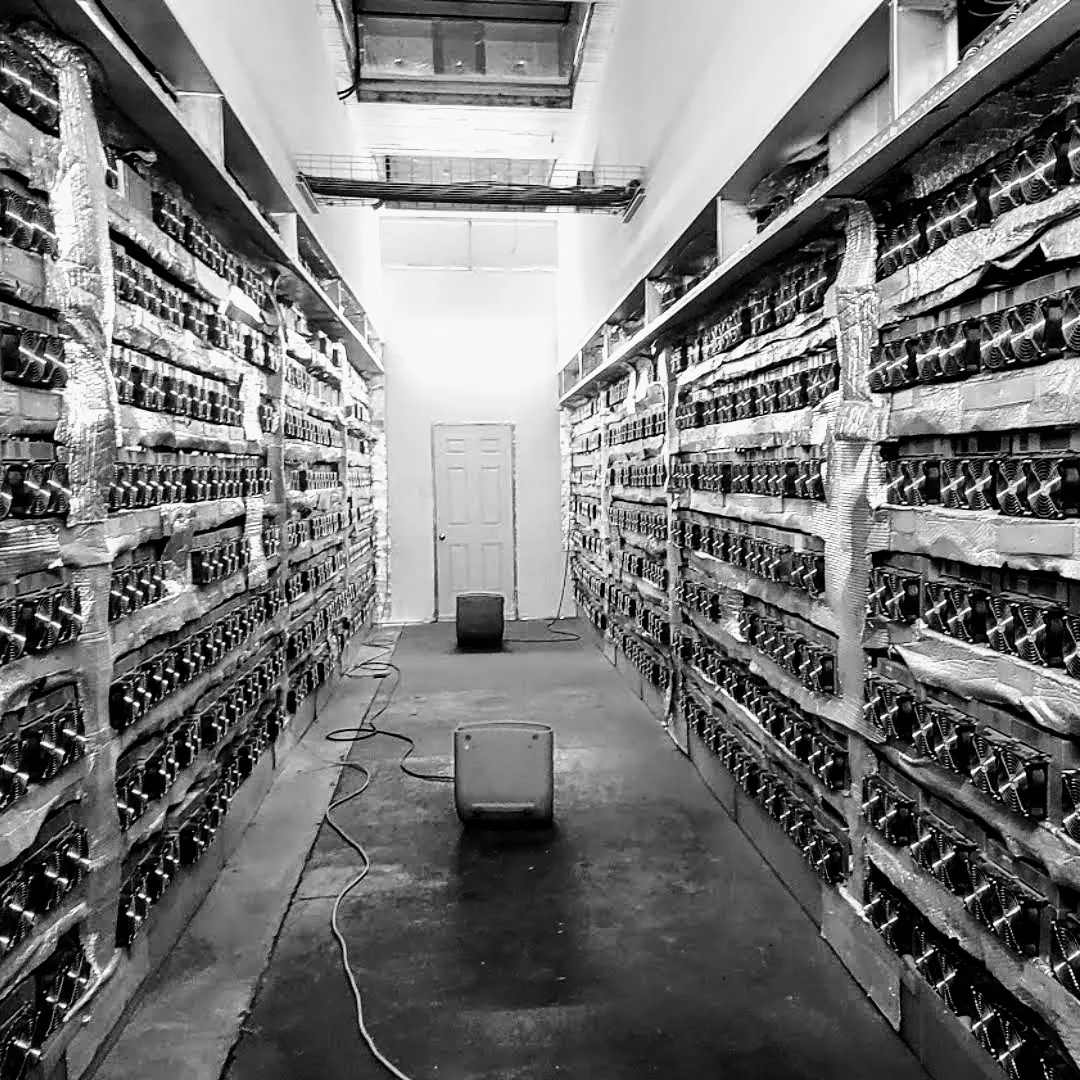
- Walk the airflow. Stand at an intake, then at an exhaust. You should be able to feel where the cold air enters and where the heat leaves, and see that the racks sit in that path rather than beside it.
- Look at the filters. Ask when they were last changed and look at a used one. Filtration is the cheapest thing in the building and the easiest to neglect.
- Check the power distribution. Transformers, panels and breakers should look like industrial installation work, not like something improvised as the site grew.
- Ask about the hottest week of the year. Anyone can cool a building in February. The real question is what happened last July and what the intake temperature reached.
- Ask who is on site, and when. Monitoring software is not the same as a person who can reseat a board.
- Look at the repair bench. A facility that repairs on site has a bench with tools, spare fans and power supplies on it. A facility that does not will have nowhere to show you.
We will walk you through all of that. Visits are by appointment because the site is secured and escorted, not because we would rather you did not come.
The Quebec power picture, briefly
Quebec generates the overwhelming majority of its electricity from hydroelectric dams. For a miner that matters in three ways: the price is low by North American standards, the supply is stable rather than weather-dependent in the way wind and solar are, and the carbon intensity per kilowatt-hour is among the lowest on the continent.
That last point is increasingly a commercial question rather than an ethical one. Institutional buyers of hosted hashrate, and anyone who may one day want to sell a mining operation, now get asked about the energy mix behind it. Hydro power is a straightforward answer.
The practical caveat is that large new power connections in Quebec are allocated rather than simply purchased, and capacity for crypto mining specifically has been constrained at various points. In plain terms: existing, energised facilities with capacity already connected are worth more than plans for new ones. Our facility has been running since May 2018, and our 530 miner spots are connected capacity, not a proposal.
Shipping miners to Montreal
Most clients ship hardware to us by courier or freight. We receive it, rack it, cable it, configure the network, point it at your pool and get it hashing — usually within one to two business days of arrival, depending on order size.
If you are importing from outside Canada, hosting for US miners covers the customs and logistics side. If you would rather skip shipping entirely, an equipment + hosting package delivers the machines straight to our racks.
Already hosting somewhere else in Quebec or Ontario? Fleet moves mid-contract are routine. Tell us the model mix and the date and we will quote the move with the hosting.